

Losing deals to newer platforms
Buyers compare you with newer cloud-based rivals. A dated interface, slow releases and missing integrations, make you the riskier choice even if your platform does more.
Learn MoreWe help you plan, develop and transform from legacy HealthTech systems to create impact.
Book a Strategy Call








Most legacy health products still work. They just can’t keep up with new buyers, regulations and technology.
Buyers compare you with newer cloud-based rivals. A dated interface, slow releases and missing integrations, make you the riskier choice even if your platform does more.
Learn More
Every sprint is a trade-off. Fixing old code delays the roadmap, and skipping it makes every new feature slower and riskier to ship.
Learn More
AI, FHIR APIs and modern cloud services take months to bolt on, and still don’t work well with the rest of the system.
Learn MoreBreak Up the Monolith. Keep the Clinical Workflows.
We re-architect aging health platforms in phases, moving functions out of the monolith one at a time. Clinicians keep working in familiar workflows while the platform underneath becomes easier to change, secure and scale.
Health IT and HealthTech teams whose legacy platform slows releases, raises security risk or blocks integration.
Close Your Interoperability Gaps Before the Deadline Does
We assess your platform against current interoperability rules and close the gaps, from FHIR API support to data exchange and consent. You get a prioritized remediation plan and the engineering to carry it out.
EHR vendors, payers and digital health companies that need to meet interoperability requirements on a fixed timeline.
Make Your Data AI-Ready, With Governance Built In
We prepare your existing data and platforms for AI by cleaning, structuring and governing the data first. Your teams can then adopt AI features with clear controls over PHI, access and model use.
Health organizations with large, fragmented datasets that want to adopt AI without compromising compliance.
Move to the Cloud Without Moving Your Risk
We migrate health workloads to the cloud with HIPAA controls designed in from the start. Security, access and audit requirements are met in the new environment before any PHI moves.
Teams moving on-premises or hosted health systems to the cloud, and cloud-based products that need a stronger compliance posture.
HealthTech product success doesn’t end at development, that’s why we support you through every stage
HELP increase product market
ELIMINATE costly revisions
ACCELERATE project delivery
LOWER cash burn risks
TARGET faster MVP launch
HOLD higher user retention
Revolutionizing dementia care with AI
Awards


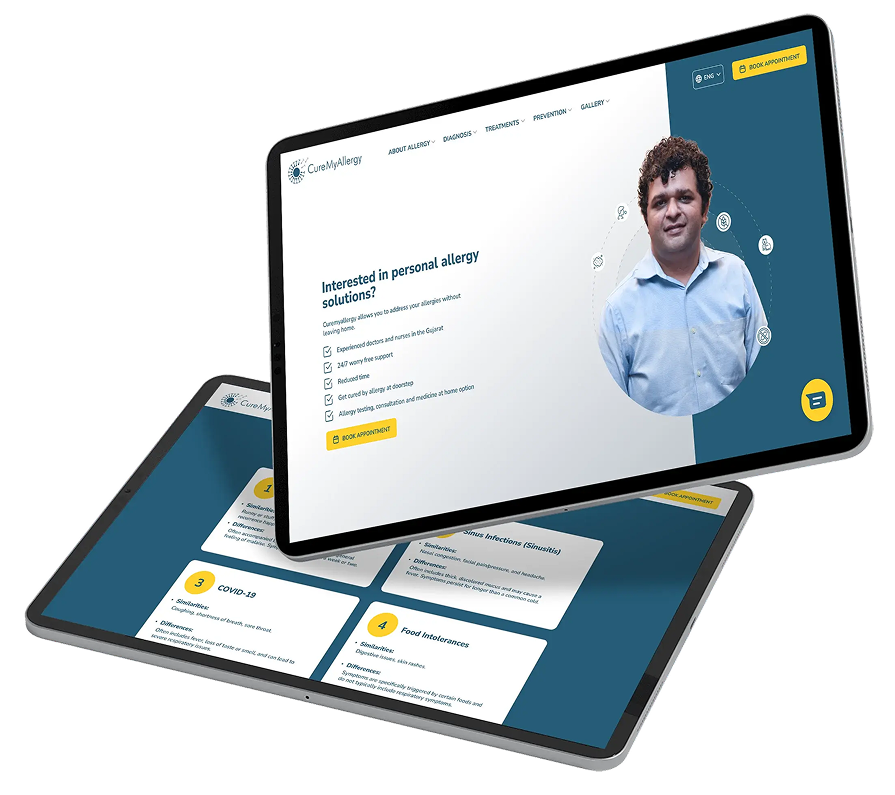
Telehealth platform for allergy assessment and treatment
Highlights

Appointment management platform for full-body check-up clinics


People cheers for us! Find out how our users are spreading the word!

“We partnered with x-enabler after struggling with unstable code and a previous contractor. They quickly understood our complex system, fixed critical issues, and got everything running smoothly. Beyond development, they brought strategic clarity, strong communication, and a true product mindset. x-enabler operates as a premium innovation partner, highly recommended.”


“Even though we had a technical product, we did not have a dedicated IT team and post Covid we entered a rebuilding phase. We needed a partner who could support us technically while understanding startup realities. x-enabler stepped in, understood our business deeply, and worked as an extension of our team. They brought both strategic clarity and technical stability, and gave us confidence in our product and long term direction.”


“Outstanding team with great work ethic and first-class customer service. I highly recommend their services to anyone requiring mobile app development skills.”


“x-enabler does not only deliver a product to your requirements but they also do a massive effort to understand your business needs and make sure the user experience and the functional elements of the product are top-notch.”


“x-enabler has been a pivotal member of Cared Australia journey allowing us to enable our B2C solution in lean and agile way”


“x-enabler team took time to understand the business objective, market potential and opportunity. They curated and guided us through product definition, development and customer acquisition. Their domain knowledge across tech startups and particularly healthcare helped us build the right product in the right way.”


“x-enabler feels like an integral part of the business. They took time to understand the problem and the domain. They took ownership of the product. They made the process easier, shared ideas, and helped us think about how we can take the product further.”

x-enabler helps healthcare businesses evaluate existing applications, identify technical limitations, and plan improvements aligned with their current business needs. Healthcare software modernization may involve updating legacy applications, improving system architecture, strengthening integrations, or enhancing scalability and maintainability.
When legacy systems become expensive to maintain, difficult to integrate, or unable to support evolving clinical and business needs, modernization becomes necessary. Frequent downtime, security vulnerabilities, outdated infrastructure, and limited scalability are also warning signs. Modernization can improve operational efficiency, interoperability, and long-term system reliability.
Start by assessing existing systems, clinical workflows, and integration dependencies before planning changes. Use a phased modernization approach, with parallel testing, data validation, and controlled rollouts to minimize disruption. Involve clinicians and IT teams throughout the process to maintain continuity of patient care.
Legacy systems can connect with modern FHIR-based applications through interoperability layers, API gateways, and integration engines. These translate existing HL7 v2 messages and other data formats into FHIR resources. This allows healthcare organizations to exchange data with modern EHR platforms without completely replacing their existing infrastructure.
Evaluate data security, HIPAA requirements, application compatibility, migration costs, and integration dependencies before moving to the cloud. Consider cloud architecture, access controls, backup strategies, disaster recovery, and scalability. A phased migration with proper testing can help minimize downtime and protect patient data.